Nadezhda Grigorova, Ph.D., Voll Testing Seminar, May 30 – June 2, 2025, Sunny Beach, Bulgaria
Abstract
Borna virus is presented as a dangerous pathogen affecting the central and peripheral nervous systems in mammals and humans. The symptoms of the infection are summarized based on 14 clinical cases identified using the Voll test during the period from 2022 to 2024.
Through testing with the IKG® device, effective homeopathic remedies and herbal tinctures for the treatment of Borna virus were identified and are listed in a table.
A clinical case of a 2.5-year-old child is presented. The child had begun walking normally but suddenly developed worsening neurological symptoms of unknown origin and lost the ability to walk.
Using the Voll test with the IKG® machine, Borna virus was detected in 11 of the 16 tested Chinese and Voll meridians. Later, the presence of Borna virus was confirmed through laboratory tests in Germany.
By applying the appropriate homeopathic remedies—Agaricus muscarius-Injeel, Haberlea 6 CK, Blue scorpio 6 CK, Hydrocotyl asiatica Injeel, NS-BG comp. 6 CK, Vit. B-17 6 CK—and the herbal tinctures Achynora® and Nervinea®, the child was cured in 19 months.
Historical Background and Transmission of Borna Virus
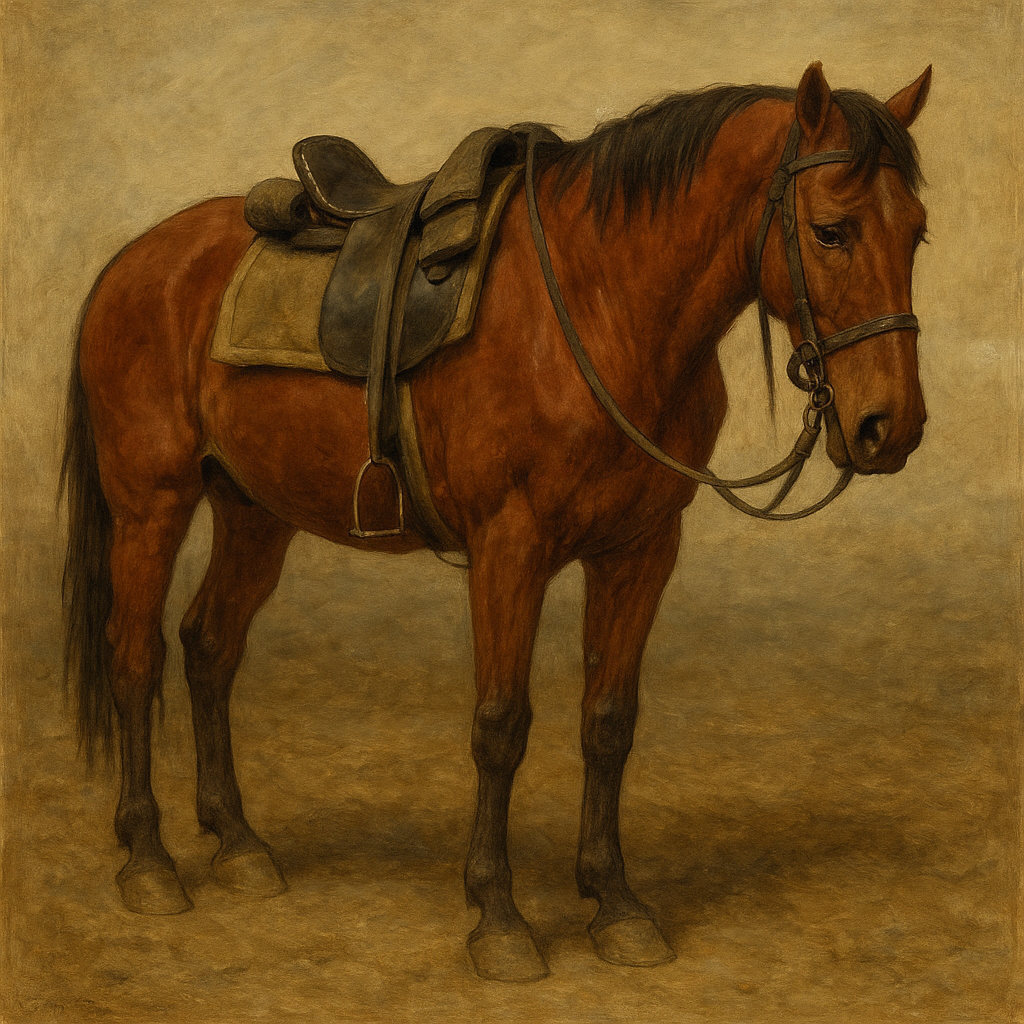
As early as 1885, a severe disease affecting cavalry horses was observed in the town of Borna, Germany. It became known as “hot-head disease” and “sad horse disease.” Although initially identified in horses, it can affect a wide range of mammals such as sheep, goats, cows, dogs, cats, and foxes across Europe, Asia, Africa, and North America. In South America, the disease is known as Tacuna. The mortality rate in animals ranges from 50% to 80%.
Field mice are considered natural reservoirs and vectors of the virus. Transmission is intranasal—via saliva and nasal secretions. Infected animals show profuse nasal discharge and salivation.
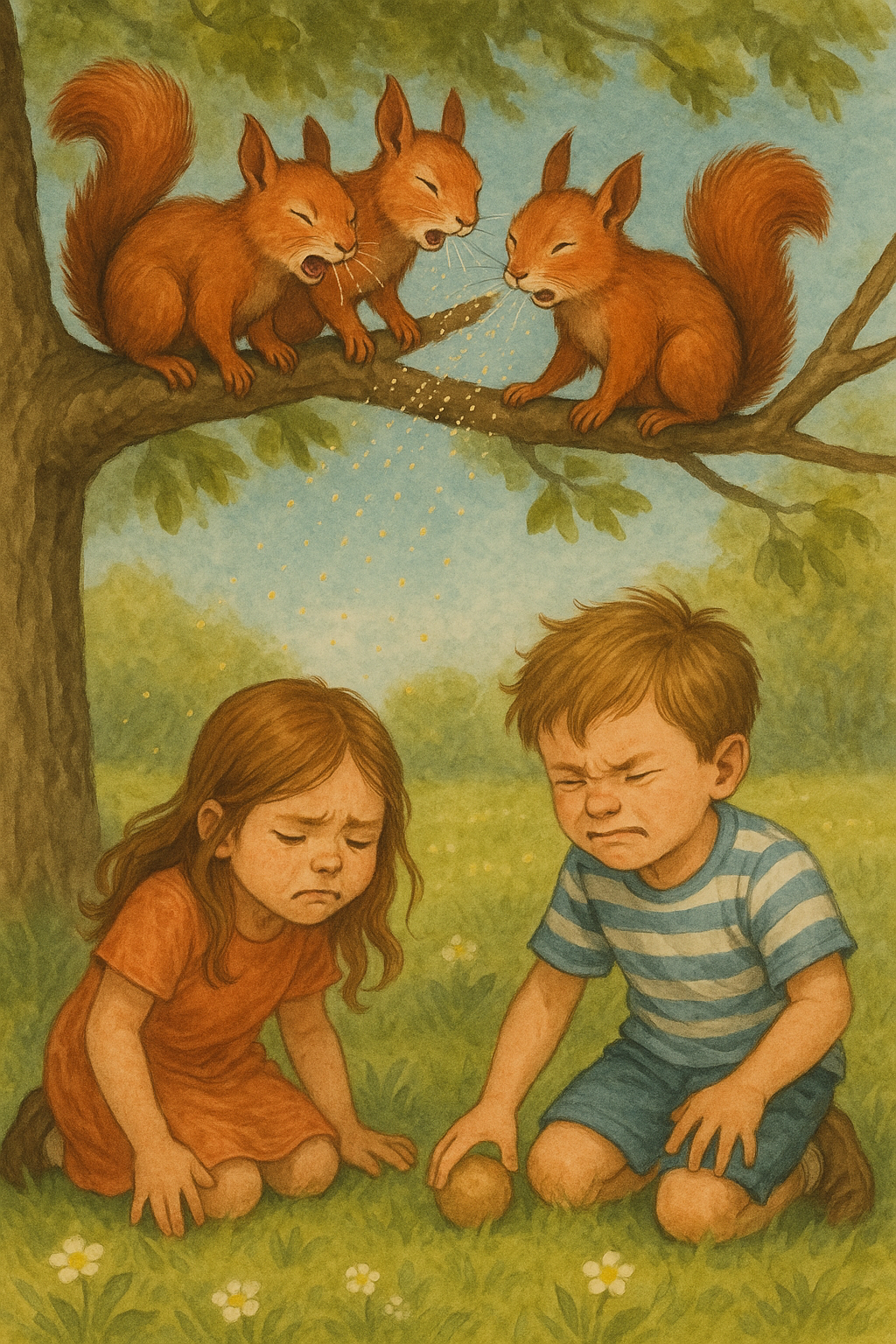
I believe the disease also affects other rodents, such as moles and squirrels. My dog contracted Borna virus after vigorously digging into a molehill. It began to have seizures. A brain scan revealed a significantly enlarged pituitary gland pressing on its brain. The dog soon passed away.
Later, I examined a child from Germany diagnosed with epilepsy. The child had tested positive for Borna virus. He had been playing in a field surrounded by oak trees inhabited by many squirrels.
Scientific Identification and Human Cases
Borna virus was scientifically studied in 1970 in Germany. It was isolated from a sick horse and identified as an RNA virus, unique for its exceptionally small size and replication within the nucleus of affected cells. Two strains have been identified: Mamalian Orthobornavirus BoDV-1 and BoDV-2.
This virus is neurotropic, targeting nerve tissue and leading to serious neurological manifestations.
In humans, Borna virus was first recorded in 1980 and initially not considered lethal. However, in 2018, a fatal human case of encephalitis caused by Borna virus was reported in Germany. In Bavaria, several cases have been registered. Between 1996 and 2021, there were 24 confirmed cases, three of which were organ transplant recipients from a single donor infected with the virus. Two of these recipients died of encephalitis. Therefore, Borna virus is now considered a serious health threat to humans.
Beyond Europe, Borna virus has also been documented in the USA and Japan, particularly in psychiatric cases.
Borna Virus in Clinical Practice Using Voll Testing
In April 2022, I registered my first Borna virus case using the Voll test. Since then, I have confirmed and treated 14 clinical cases, including two foreign children. Diagnoses made by neurologists were associated with nerve tissue degeneration.
Among these cases:
- 4 were children with epilepsy,
- 1 child was diagnosed with autism,
- and 1 adult was diagnosed with Parkinson’s disease.
The remaining 8 patients presented with pronounced neurological symptoms, such as:
- head noise,
- panic attacks,
- depression,
- nightmares,
- memory disturbances,
- tremors in the eyes and limbs,
- back pain,
- limb numbness,
- irregular menstruation combined with memory decline.
The Voll test typically reveals activity in the meridians of the immune and lymphatic systems (Al, Ly – left side), the meridian of nervous degeneration (Nd – bilateral), the spleen (RP – left), and the blood (Pd meridian). These must be measured in every suspected case.
Other meridians may also be affected. The recovery time tends to be significantly prolonged. For instance:
- child K.P. (8 years old, autism) recovered within 10 months and now attends regular school;
- child B.Z. (10 years old, epilepsy) recovered in 17 months;
- baby M.S. (2 years and 6 months) recovered from leg paralysis and multiple symptoms in 19 months.
This last clinical case is presented in detail below.
Table: Remedies Suitable for Treating Borna Virus
Homeopathic Remedy | Notes |
Agaricus muscarius-Injeel (D12–D200) | Classical homeopathic remedy |
Vitamin B-17 (Amygdalin), 6 CK | Available herbal tester |
Blue scorpio (Vidatox), 30 CH | Available herbal tester |
Crotalus horridus-Injeel (D12–D200) | Classical homeopathic remedy |
Curcuma longa, 6 CK | Available herbal tester |
Eupatorium perfoliatum (D12–D200) | Classical homeopathic remedy |
Eupatorium purpureum (D10–D200) | Classical homeopathic remedy |
Haberlea, 6 CH (Orpheus flower) | New tester |
Hericium coralloides, 6 CH (mushroom) | New tester |
Hydrocotyl asiatica, 6 CK | Available herbal tester |
Mercury mix | Small set tester available |
NS-BG comp., 6 CK | Available herbal tester |
Oleander Injeel (D12–D200) | Classical homeopathic remedy |
Pelargonium roseum, 6 CK | Available herbal tester |
PC-1 (Peter Chappell remedy) | Available herbal tester |
Tacuna, 6 CH | New tester |
Viscum album-Injeel (D12–D200) | Classical homeopathic remedy |
Clinical Case: A Young Child Who Lost the Ability to Walk
Visit 1 (March 16, 2023):
Baby M.S. (2 years and 6 months) developed normally up to the age of 2 and began walking on time. Six months prior to the visit, the child began to stagger, with walking deteriorating to the point of frequent falls and complete inability to walk. Hands, feet, and eyes began to tremble. The child was alert and spoke well. MRI and EEG results were normal. The child had been examined in Turkey, but the etiology remained unclear, and only vitamin E was prescribed.
Voll Test Result:
Borna virus: (+) Positive
Out of 16 measured meridians, 9 were affected:
- Immune and lymphatic systems (Al, Ly), blood (Pd), and spleen (RP-left) indicated acute viral infection:
- 70-Al1→6–75
- 70-Ly1→6–80
- 80-Pd1→6–75
- N-RP1→6–90
- The meridian of nervous degeneration (Nd) showed involvement of the cerebrospinal fluid, affecting motor functions but not the brain:
- 70-Nd1→6–80
- N-Nd7,8-N
- The virus had entered through the mouth. The intestines, both small (IG) and large (GI), were fully infected:
- 80–(IG, GI)–80
- Additionally affected: left lung (N-P1→7–75) and left hormonal system (N-TR1→8–80).
Prescribed Remedies (Drops Mix No.1):
- Borna virus nosode 6 CH
- Bio Viral Mix (with gamma-globulin and alpha-interferon)
- Agaricus muscarius-Injeel
- Haberlea 6 CH
- Blue scorpio 6 CK
(Dosage: 6 drops, 3x daily in 1 tbsp of water, 30 minutes before meals)
After meals: 100 mg vitamin C ampoules, 2x daily.
Visit 2 (April 7, 2023, 20 days later):
The child still tests positive for Borna virus. No improvement is observed in the spinal nervous system; the brain remains unaffected. The spleen has improved (from 90 to 80), the immune system is normalized, the lymphatic system has normalized only on the left side, and the lungs are back to normal. However, the intestines remain heavily infected, and the liver shows stress with a reading of 80. It becomes clear that recovery of the nervous system will take time.
Treatment: Continue Drops Mix No.1 and vitamin C.
Visit 3 (June 10, 2023, 2 months later):
The child shows improvement in walking. Limb tremors have decreased. During the day, the child is irritable and restless; at night, he cries out.
Voll Test Result: Borna virus: (+) Positive
The virus is beginning to clear from the spinal area, with only two points in the lumbar region still affected: N-Nd1–70 and N-Nd2–70. The spleen is still engaged (N-RP1→6–80), but all other meridians are within normal range. The tincture Achynora® appears to support normalization of the Nd meridian.
Treatment: Continue Drops Mix No.1 (3x/day), plus Achynora® (2x/day, 3 drops in a tablespoon of water, 20 minutes after the drops).
Visit 4 (September 7, 2023, 3 months later):
Borna virus is now laboratory-confirmed in Germany. The child is walking but on tiptoes and has been bitten by an unidentified insect. Lab results in Germany confirm Borrelia.
New Infections: Borrelia: (+) Positive
Bacillus Gartner: (+) Positive
The immune system is again strained (Al1→6–80). The liver is stressed (F1→5–75), and the spleen registers both Borrelia and Bac. Gartner (RP5–80, RP6–80). Borna virus continues to signal from the lumbar spine (Nd1–70, Nd2–70).
Treatment (Drops Mix No.2):
– Borna virus nosode
– Borrelia nosode
– Bacillus Gartner nosode
– Hydrocotyl asiatica-Injeel
– Vitamin B-17 6 CK
– NS-BG comp. 6 CK
Achynora® continues; start Diet No. 4.
Visit 5 (December 9, 2023, 3 months later):
The child is walking better and can now run, though still often on tiptoes. Salivation is increased; the child remains highly nervous.
Voll Test Result: Borna virus: (+) Positive
Unbalanced points remain in the nervous degeneration meridian (Nd) and adrenal point (TR1):
– 75-Nd1–75
– 75-TR1
– 70-Nd2–N
– 75-Nd3–N
Treatment: Continue Drops Mix No.2, Achynora®, and add Cortisol 30 CH granules before sleep.
Visit 6 (April 12, 2024, 4 months later):
The child is significantly improved—running, jumping, climbing stairs. No longer walks on tiptoes, but tremors remain in the fingers of the left hand.
Voll Test Result: Borna virus: (–) Negative
Nerves in the cervical region still require regeneration (65-Nd6–65). The Nervinea® tincture is supporting recovery.
Treatment: Continue Drops Mix No.2 and Nervinea® (2x/day, 5 drops in a tablespoon of water).
Visit 7 (September 24, 2024, 6 months later):
The child is fully recovered—walks, runs, jumps, no more staggering or tremors. Calm, sociable, attends kindergarten, plays with peers and has made a friend.
Voll Test Result: All meridians are within normal range.
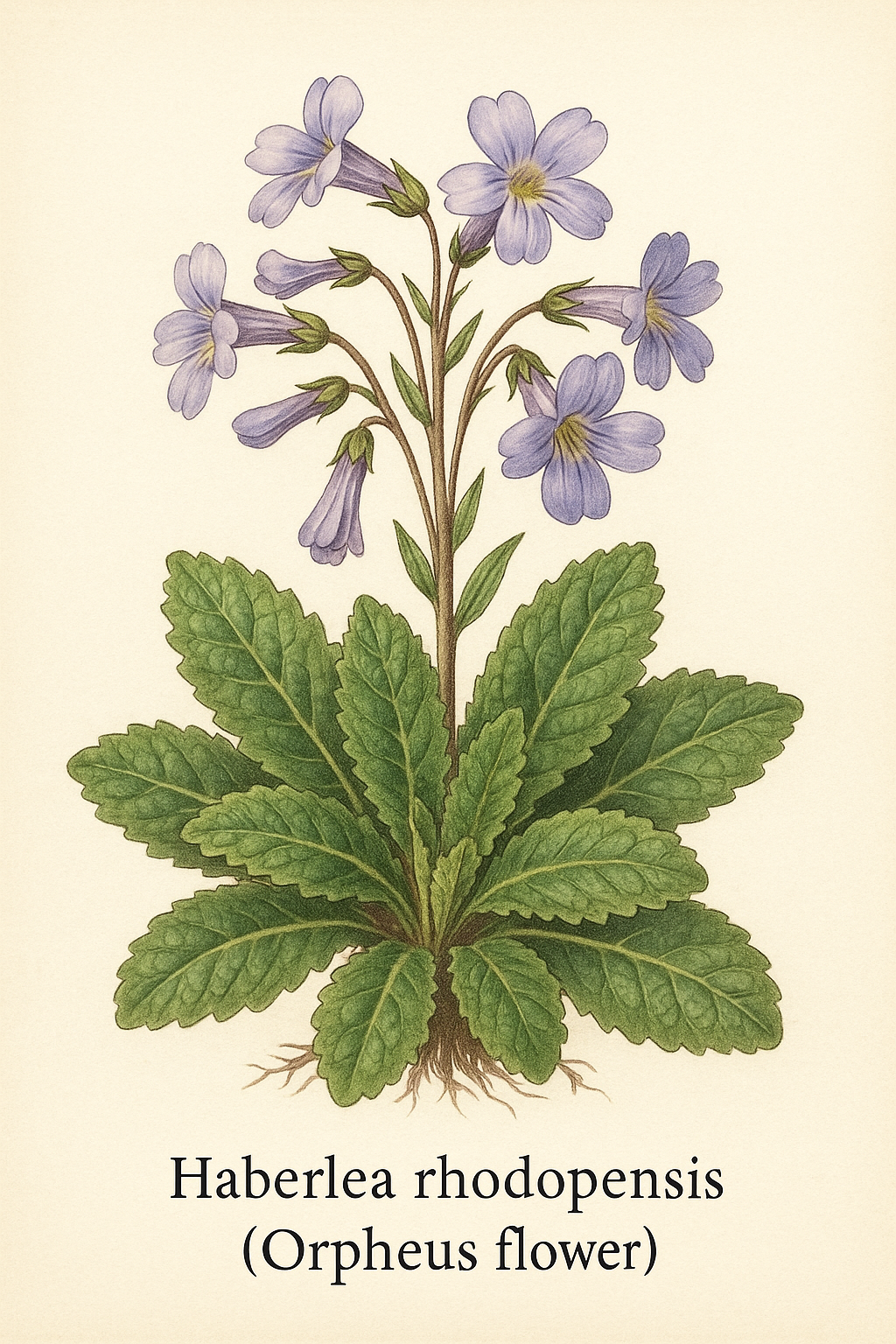
The Orpheus flower, according to the legend from the Rhodope Mountains, was created from the tears of Orpheus and his grief for his beloved Eurydice. This flower is immortal and in Bulgaria we call it Rhodope silivryak.
Conclusions:
All viruses are neurotropic. Always test for Borna virus.
This virus often affects the spinal nerves and motor functions. If you notice central nervous system issues such as epilepsy, Alzheimer’s, depressive states, panic attacks, memory decline, or schizoid tendencies, test for viral causes, including Borna virus.
Do not expect rapid clearance of Borna virus.
Once a negative result is achieved, nerve regeneration begins—and takes time.
If complications from other conditions occur, address and treat them as well.
Dedicate yourself fully to the work—persistence and thoroughness are the path to success.
