Home NewsHerbs in Bulgaria Today – Fires and Photovoltaics

Herbs in Bulgaria Today – Fires and Photovoltaics

by admintest

   On a quiet morning, when you have escaped the big city to enjoy the clean air of our mountains, you imagine yourself sitting with a cup of coffee, eyes resting on the mountains, the meadow, or the sky. In your mind is that picture from childhood – dew sparkling on the grass, the air heavy with the scent of thyme and elecampane, and the soft hum of bees among the flowers.

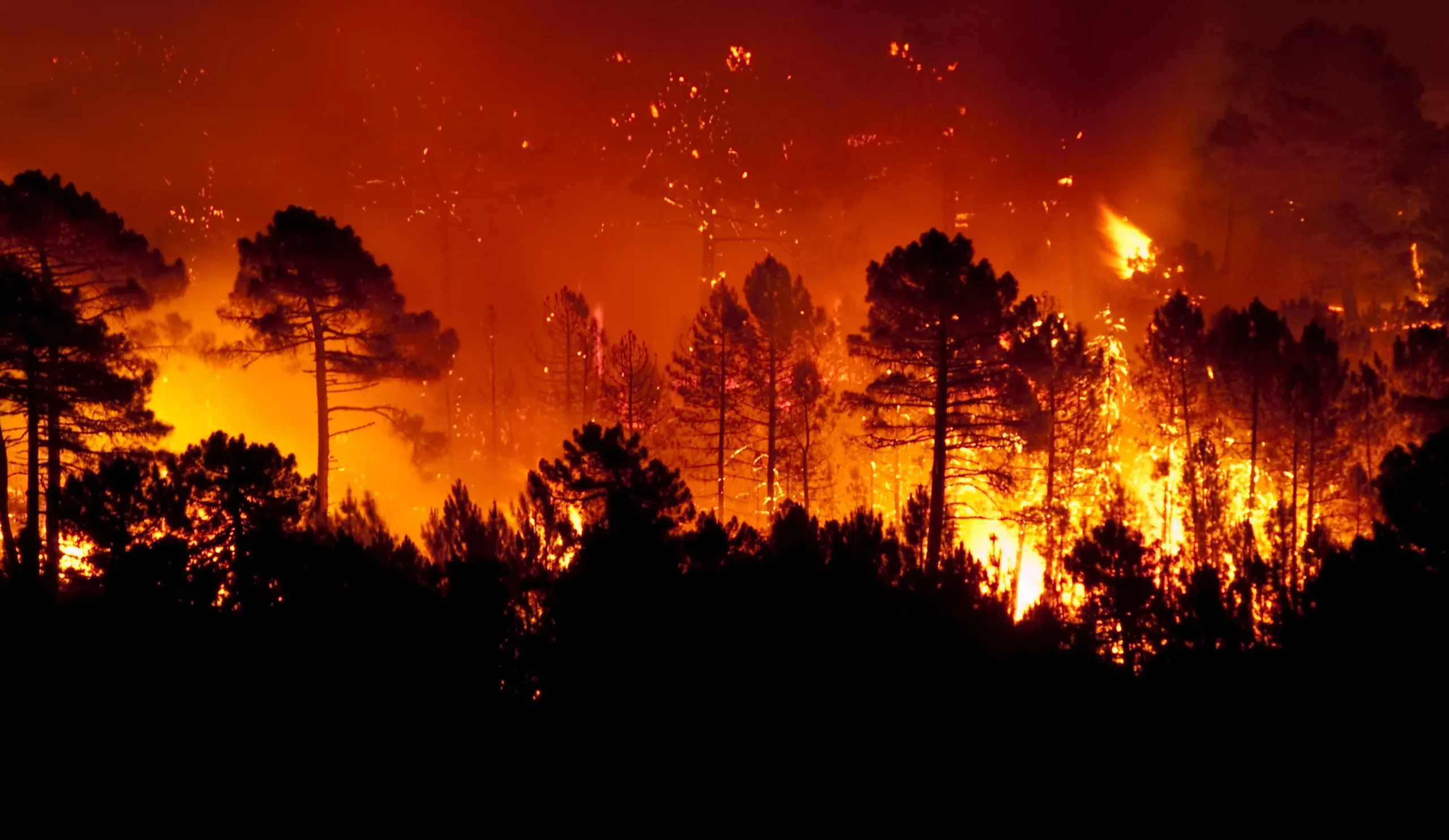
But today, instead of droplets of dew, grey smoke settles low over the land. The smell of burnt grass tickles your throat, and in the distance you see small figures in yellow uniforms – firefighters battling the flames. Where once there was cool morning freshness, now the heat creeps across the dry ground, devouring everything in its path.

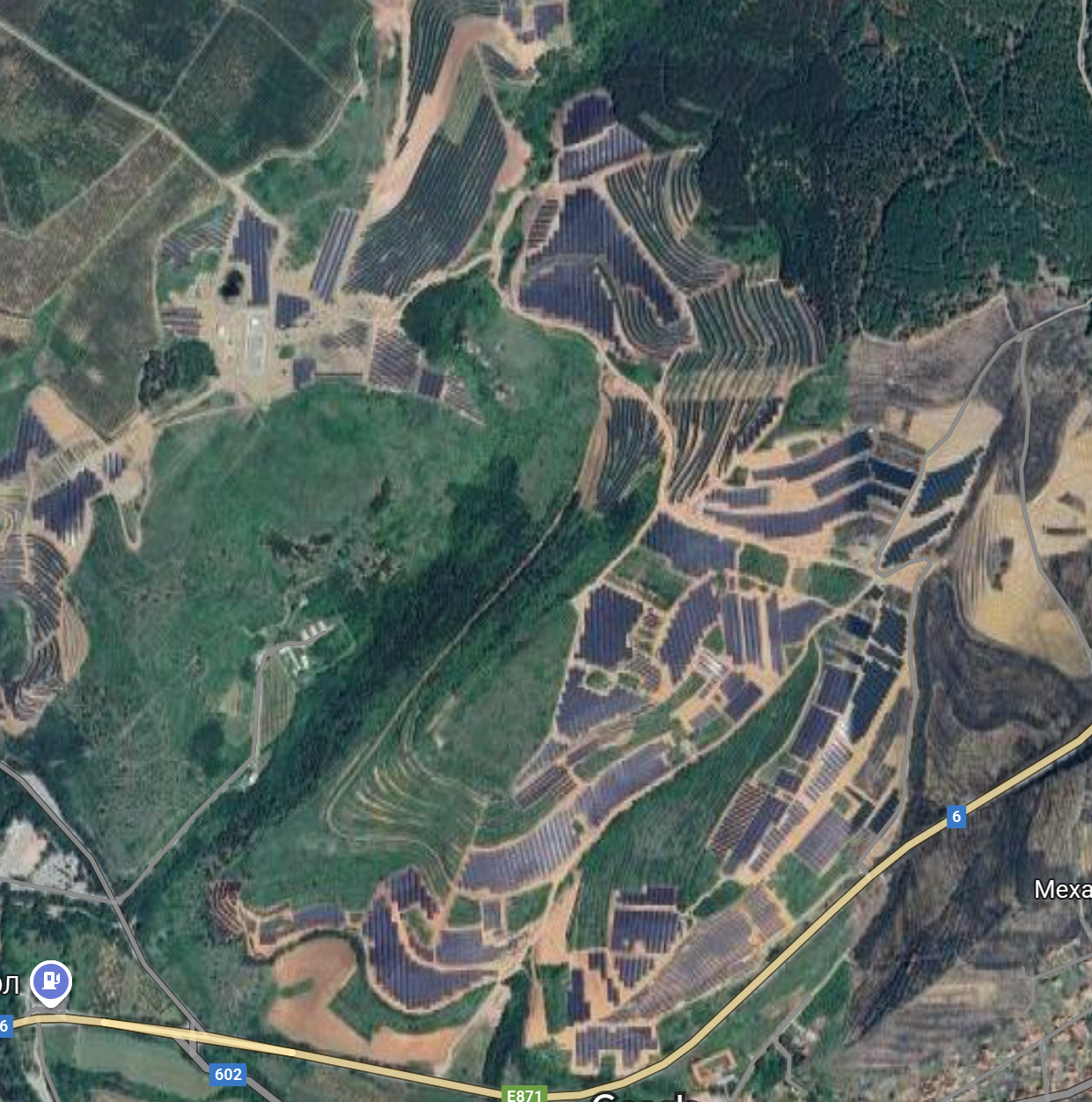
And when the flames die down and the firefighters leave, the morning is still not the one we remember. Where fire has passed, the earth remains black and bare, and life returns slowly – if it returns at all. Yet even without fires, the meadows are disappearing. More and more often, instead of a colourful field where Inula helenium, Thymus vulgaris, Alchemilla vulgaris, Daucus carota subsp. carota, and Capsella bursa-pastoris grow, the eye meets endless rows of dark-blue panels. Photovoltaic parks – orderly, silent, supposedly “green.” They do not burn, but they burn away something else – the living space for plants, insects, and birds. Every open field that was once a living pharmacy is now increasingly becoming a metallic desert.

   And with the meadows, their healers vanish too.

Inula helenium – a powerful aid for chronic bronchitis, asthma, and persistent cough unresponsive to medication. Its dried and properly prepared root also soothes stomach ulcers.

Thymus vulgaris – indispensable for acute bronchitis, sinusitis, and sore throat. Its tea relaxes the airways and acts as a natural antiseptic.

Alchemilla vulgaris – an age-old remedy for hormonal imbalance, ovarian cysts, and painful menstruation. Supports recovery after childbirth.

Daucus carota subsp. carota – helps with bloating and digestive disorders; its infusion is used for chronic colitis.

Capsella bursa-pastoris – stops internal bleeding, relieves heavy menstrual flow, and helps regulate blood pressure.

… and many others.

Each of these herbs is part of our healing heritage.

And when the meadows disappear – whether from fire or from a photovoltaic installation – we lose not only the plants, but also the ability to heal with them.

Bulgaria was once one of the richest countries in the world in terms of the diversity and volume of wild herbs. Our land nurtured medicinal plants found nowhere else. And if in the last ten years the human habit of throwing rubbish anywhere did not succeed in destroying all valuable plants, our new “modern” needs are doing so. One by one, the medicinal plants are vanishing. Their habitats are no longer suitable to sustain their growth.

We do not need to abandon progress, but we must choose wisely – to plan so that clean energy does not come at the cost of destroyed nature. If we do not realise today that we are destroying our future and the future of our children, tomorrow we will understand it in the hardest way – when our lives and health depend on whether, somewhere in a forest clearing, there will be a good person with the knowledge and will to create a medicine – but around them there will no longer be a single plant from which it can be made.

Nature has no secrets — it is the school itself. Everything in it is simple, steadfast, and whole. It does not boast, judge, or diminish. It stands as it is — and we see it in the way our hearts belong to it.

I was twenty-four when I reached the “God’s Window.”
The path did not smell of ferns or forest – it wound along the edge of cliffs, interrupted here and there by green patches bursting with flowers in unimaginable hues. Africa does not have European colours – it is as if the Mad Hatter had spilled his entire palette across the slopes: yellows that ring like bells, purples that radiate warmth, greens that seem to glow from within.

When the clouds tore open beneath us, the canyon revealed itself as something alive – not stone, but breathing. Far below, the river spoke to the echoes between the walls, and the wind spun dry grasses along the edge, as if to check whether we were awake. Here, eternity is not a cold abstraction – it is Nature’s decision to show her most beautiful oddities and to guard them fiercely.

At night, the sky was another sky altogether – denser, deeper, so thick with stars that the lines between constellations became meaningless. Sub-equatorial Africa does not try to “please” you – it either accepts you or it doesn’t. It accepted me. And just as a baby never doubts who its mother is, I knew to whom I belonged: to Nature. The puzzle clicked into place. Since then, I have measured my choices by her way – slowly, justly, with thought for the place of every living thing.

You may also like

Leave a Comment